
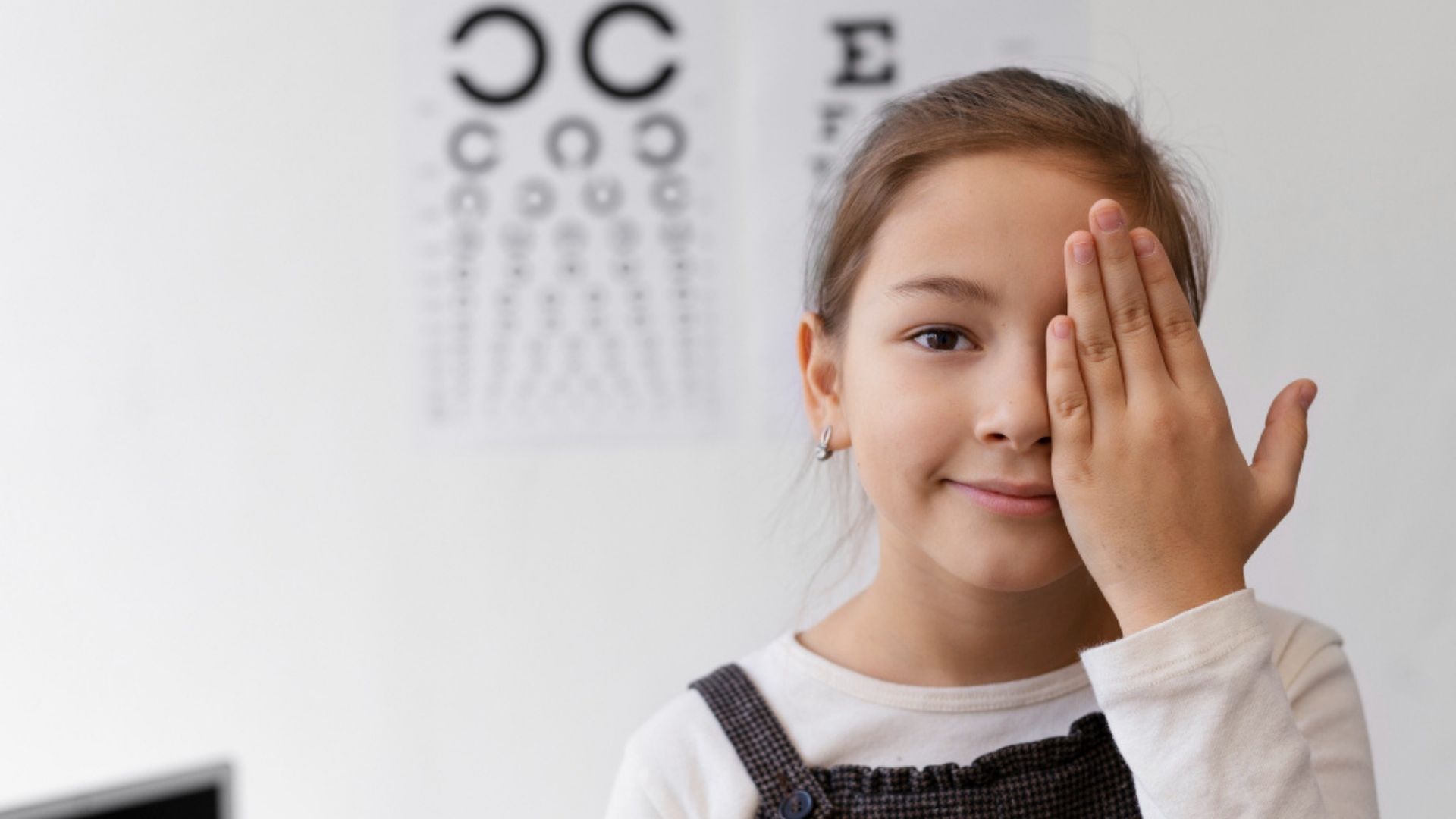
Vision plays a critical role in how children learn about the world. According to the American Optometric Association, up to 80% of learning occurs through visual processing. This means that undetected vision problems can significantly impact a child's ability to learn, participate in sports, and develop socially.
Unfortunately, many vision problems in children go undiagnosed. Children often lack the experience or vocabulary to explain vision difficulties and may simply assume that everyone sees the world the way they do. This makes regular comprehensive eye exams particularly important for detecting and addressing vision issues before they affect development and learning.
Eye Exams Are Essential for Children
Regular eye examinations for children are not just about determining if glasses are needed. These comprehensive assessments evaluate multiple aspects of visual function and eye health that impact a child's development and learning abilities.
During the critical early years, vision problems can interfere with the development of visual skills that children need for successful learning. Issues like lazy eye (amblyopia), crossed eyes (strabismus), or significant refractive errors can lead to permanent vision loss if not detected and treated early enough.
School vision screenings, while valuable, only assess a limited range of visual skills, typically focusing on distance vision. These screenings miss many conditions that affect learning and development. A comprehensive eye exam performed by an optometrist evaluates numerous aspects of vision that screenings don't cover, including:
- Near vision acuity
- Eye teaming and coordination
- Focusing ability
- Depth perception
- Color vision
- Peripheral awareness
- Eye movement skills
Each of these visual functions plays an important role in academic success. For example, poor focusing skills can cause fatigue during reading, while inadequate eye coordination may lead to double vision or headaches when doing close work. By identifying these issues early, we can implement treatment strategies that support your child's visual development and academic performance.
When Should Children Have Eye Exams?
The American Optometric Association recommends the following schedule for children's eye examinations:
- First eye exam at 6 months of age: This initial assessment establishes a baseline for eye health and checks for early development of eye movement, coordination, and focusing abilities.
- Second eye exam at 3 years of age: By this age, children can better participate in testing, allowing for more detailed evaluation of visual acuity and eye health.
- Comprehensive exam before starting school (around age 5-6): This pre-school exam is crucial for detecting any vision problems that might interfere with learning as formal education begins.
- Regular exams throughout school years: Once in school, children should have an eye exam at least every two years if no vision correction is needed, and annually if they require glasses or contact lenses.
Children with certain risk factors may need more frequent examinations. These risk factors include:
- Premature birth
- Developmental delays
- Family history of eye conditions
- Previous eye injuries or surgeries
- Other health conditions that can affect vision
If you notice any signs of vision problems between scheduled exams, don't wait—schedule an appointment right away. Early intervention leads to the best outcomes for most childhood vision issues.
We have written blog posts focussed on children in different key age ranges. In this article we address infants from birth to 24 months. Our blog post on preschool aged children goes into depth about children from 2-5 years old. And this blog post covers children from 6 to 18 years of age.
Common Vision Problems in Children
Understanding the most common vision issues that affect children can help parents recognize potential problems early. Here are the conditions we frequently diagnose and treat:
1. Refractive Errors
Refractive errors occur when the shape of the eye prevents light from focusing directly on the retina, resulting in blurred vision. The most common types in children include:
Myopia (Nearsightedness): Children with myopia see nearby objects clearly but have difficulty with distant objects. This condition often appears between the ages of 6 and 12 and may progress during the growth years. Signs include squinting to see the board at school or sitting very close to the TV.
Hyperopia (Farsightedness): While some degree of hyperopia is normal in young children, significant levels can cause eye strain, headaches, and difficulty with close work. Children may avoid reading or other near activities.
Astigmatism: This condition causes blurred or distorted vision at all distances due to an irregularly shaped cornea. Children with astigmatism may experience headaches, eye strain, and fatigue.
Early detection and correction of refractive errors not only improves vision but can also prevent related issues like learning difficulties or behavioral problems that stem from visual frustration.
2. Amblyopia (Lazy Eye)
Amblyopia develops when one eye doesn't achieve normal visual acuity, even with corrective lenses. This happens when the brain favors one eye and begins to ignore signals from the weaker eye. Over time, the brain's ability to process visual information from that eye diminishes.
Common causes of amblyopia include:
- Significant differences in refractive error between the eyes
- Constant strabismus (eye turn)
- Obstructions that prevent clear vision (like congenital cataracts)
Treatment is most effective when started early—ideally before age 7—and may include corrective lenses, eye patching, or vision therapy. Without treatment, amblyopia can lead to permanent vision loss in the affected eye.
3. Strabismus (Crossed Eyes)
Strabismus occurs when the eyes are not properly aligned. One eye may turn inward, outward, upward, or downward while the other looks straight ahead. This misalignment can be constant or intermittent and may lead to amblyopia if not treated.
Children with strabismus often experience double vision, poor depth perception, or may close or cover one eye when trying to see. Treatment options include corrective lenses, vision therapy, eye patching, or in some cases, surgery.
4. Convergence Insufficiency
This common condition makes it difficult for the eyes to work together properly when looking at nearby objects. The eyes tend to drift outward when reading or doing close work, resulting in eyestrain, headaches, and difficulty concentrating.
Children with convergence insufficiency may report that words seem to move on the page, or they frequently lose their place when reading. They might also experience double vision or have to re-read material multiple times for comprehension.
Treatment typically involves specialized vision therapy exercises designed to improve eye coordination and focusing abilities.
Warning Signs of Vision Problems in Children
Children often don't realize they have vision problems because they have no frame of reference for what "normal" vision should be. As parents, being aware of potential warning signs can help you identify issues early. Watch for these indicators:
Physical Signs
- Frequent eye rubbing or blinking
- Covering one eye to see better
- Tilting the head to one side
- Holding reading materials very close
- Excessive tearing or eye discharge
- Red or swollen eyelids
- Sensitivity to light
- Frequent headaches, especially after visual tasks
Behavioral Signs
- Short attention span for visual tasks
- Avoidance of reading or other close activities
- Poor hand-eye coordination
- Difficulty remembering what was read
- Using a finger to keep place when reading
- Confusion of similar-looking words
- Reversing letters or words when reading or writing
- Poor performance in sports that require good depth perception
Academic Signs
- Declining grades or interest in school
- Difficulty completing homework
- Struggling to copy from the board
- Avoiding reading aloud
- Need for extra time to complete assignments
If you notice any of these signs, schedule a comprehensive eye exam for your child as soon as possible. Early intervention can prevent many vision-related learning and developmental issues.
How to Protect Your Child's Vision
Beyond regular eye exams, there are several ways parents can help protect and promote healthy vision development:
1. Encourage Healthy Visual Habits
Proper visual habits from an early age can help prevent eye strain and support optimal visual development:
- Ensure adequate lighting for reading and homework
- Position computer screens slightly below eye level and about arm's length away
- Enforce the 20-20-20 rule during screen time: Every 20 minutes, look at something 20 feet away for 20 seconds
- Encourage proper posture when reading or using digital devices
- Limit continuous close work to 15-20 minutes for younger children before taking a short break
2. Manage Screen Time Wisely
In today's digital world, children are spending more time than ever in front of screens, which can impact visual development and eye health:
- Follow age-appropriate screen time guidelines
- Ensure proper viewing distance for all digital devices
- Consider blue light filtering glasses for children who use digital devices extensively
- Establish screen-free times, especially in the hour before bedtime
- Set up parental controls to automatically reduce blue light emission on devices when possible
3. Promote Eye-Healthy Nutrition
A balanced diet rich in certain nutrients supports eye health and development:
- Omega-3 fatty acids (found in fish, flaxseed, and walnuts)
- Lutein and zeaxanthin (found in green leafy vegetables and colorful fruits)
- Vitamins A, C, and E (found in a variety of fruits and vegetables)
- Zinc (found in lean meats, nuts, and whole grains)
4. Ensure Proper Eye Protection
Protecting young eyes from injury and harmful UV rays is essential:
- Provide appropriate protective eyewear for sports with risk of eye injury
- Ensure children wear sunglasses that block 99-100% of UVA and UVB rays when outdoors
- Choose impact-resistant lenses for active children
- Teach proper eye safety practices, such as not running with sharp objects
For more, read our blog post on healthy eye habits for kids.
What to Expect at a Children's Eye Exam
Knowing what to expect can help make your child's eye exam experience positive and productive. At Asheville Vision and Wellness, our comprehensive pediatric eye exams are designed to be thorough yet child-friendly.
During your child's appointment, our optometrists will:
- Review your child's medical history and any specific concerns
- Assess visual acuity using age-appropriate methods
- Evaluate eye alignment and movement
- Check pupil responses and peripheral vision
- Examine the health of external and internal eye structures
- Test for color vision and depth perception
- Assess refractive status to determine if corrective lenses are needed
- Provide specific recommendations based on findings
We take time to explain all findings and answer your questions. If glasses or other treatments are recommended, we'll discuss options and help you make informed decisions about your child's eye care.
Frequently Asked Questions
How can I tell if my baby or toddler has vision problems?
For infants and young children who can't communicate vision difficulties, watch for:
- Eyes that don't follow moving objects or faces
- Eyes that don't work together (one eye turns in or out)
- Excessive tearing or sensitivity to light
- White or grayish-white color in the pupil
- Eyes that flutter quickly from side to side or up and down
- Constant eye rubbing
Will my child outgrow crossed eyes?
No, children typically don't outgrow true strabismus (crossed eyes). This condition requires professional treatment, which may include corrective lenses, vision therapy, eye patching, or surgery. Early intervention provides the best outcome and helps prevent permanent vision loss.
How can I help my child adjust to wearing glasses?
- Involve them in selecting frames they like
- Start with consistent wear during times they most need visual clarity
- Explain how glasses will help them see better for activities they enjoy
- Ensure proper fit to prevent discomfort
- Consider adjustable straps for very young children
- Be positive and supportive about wearing glasses
Can vision problems affect my child's behavior and performance in school?
Absolutely. Undetected vision problems can manifest as behavioral issues or academic struggles. Children with vision problems may appear inattentive, restless, or frustrated. They might avoid reading, have trouble completing assignments, or show decreasing interest in school. If your child is experiencing these issues, a comprehensive eye exam should be part of your assessment approach.
Conclusion
Vision is precious, and childhood is a critical time for visual development. By being proactive about your child's eye health through regular comprehensive exams and watching for warning signs, you can help ensure they have the visual skills needed for success in school and life.
At Asheville Vision and Wellness, we're committed to providing exceptional eye care for children of all ages. Our experienced optometrists understand the unique needs of young patients and strive to make each visit positive and productive.
Don't wait until your child expresses difficulty seeing or shows obvious signs of vision problems. Early detection and intervention lead to the best outcomes for most childhood vision issues.
Schedule an appointment online or visit our contact page to learn more about our pediatric eye care services.