

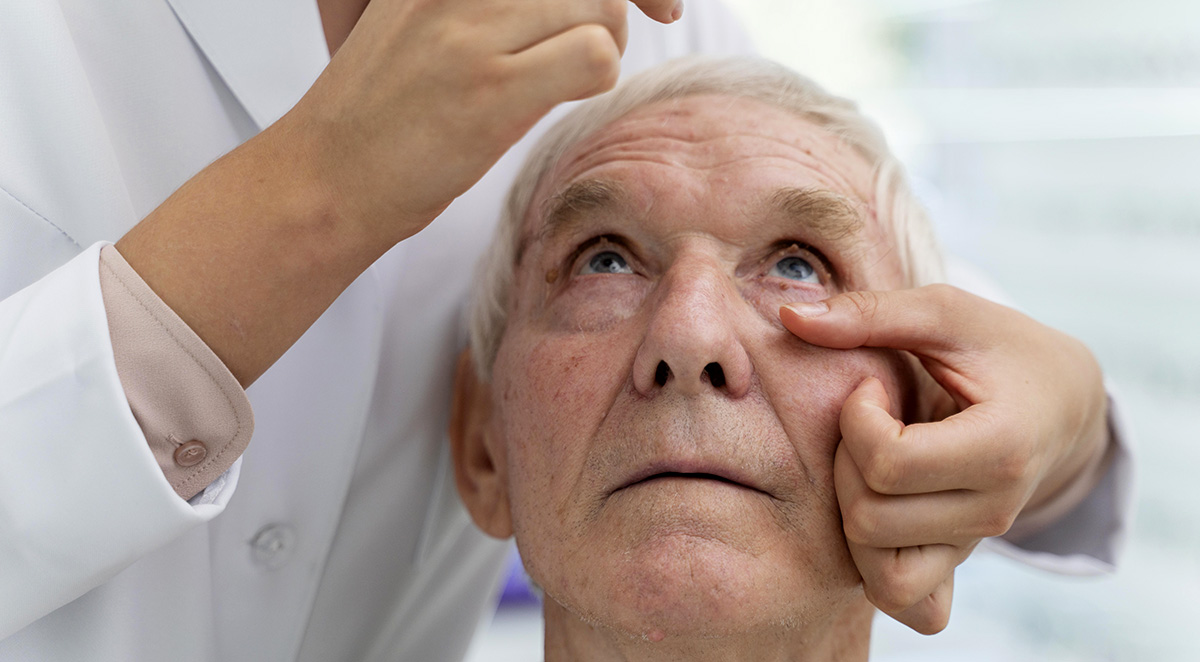
Understanding the connection between autoimmune conditions and eye health is essential for maintaining your vision and overall wellbeing. At Asheville Vision and Wellness, we help patients recognize the warning signs and provide comprehensive care for eye complications related to autoimmune diseases.
Quick Summary
- Autoimmune conditions like rheumatoid arthritis and diabetes can cause serious eye complications, including dry eye disease, inflammation, and retinal damage.
- The eyes are especially vulnerable to autoimmune-related inflammation because of their sensitive blood vessels, nerves, and tissues.
- Early detection is critical. Many autoimmune-related eye conditions are treatable when caught before symptoms become severe.
- Asheville Vision and Wellness uses advanced diagnostic technology — including OCT, Optomap, Visual Fields testing, and the Rabin Cone Contrast Test — to monitor eye health in patients with autoimmune conditions.
- Regular comprehensive eye exams are essential for anyone living with an autoimmune disease.
Understanding Autoimmune Conditions and Eye Health
Autoimmune diseases occur when your body's defense system cannot distinguish between your own cells and foreign cells, causing it to attack healthy tissue. This inflammatory response can affect various parts of your body, including the delicate structures of your eyes. The inflammation can impact the front of the eye, the middle layers, or the back of the eye where your retina and optic nerve are located.
The eyes are particularly vulnerable because they contain sensitive blood vessels, nerves, and tissues that require precise function for clear vision. When inflammation occurs in these areas, it can lead to discomfort, vision changes, and potentially serious complications if left untreated.
Dry Eye Disease and Autoimmune Conditions
One of the most common eye problems associated with autoimmune conditions is dry eye disease. Conditions like rheumatoid arthritis and certain vascular diseases can disrupt your tear production and tear quality, leading to uncomfortable and sometimes painful dry eyes.
Your tears are essential for more than emotional expression. Basal tears protect your eyes and help maintain clear vision. When autoimmune conditions interfere with your tear-flow system, you may experience burning, pain, redness, and fatigue.
Symptoms of Autoimmune-Related Dry Eyes
Watch for these dry eye symptoms if you have an autoimmune condition:
- Persistent burning or stinging sensation
- Excessive tearing followed by dryness
- Redness and irritation that doesn't resolve
- Feeling like something is stuck in your eye
- Blurred vision that improves with blinking
- Eye fatigue when reading or using screens
Diabetes and Your Vision
Diabetes involves immune system dysfunction that can lead to serious eye complications. High blood sugar levels can damage the blood vessels that supply your eyes, leading to several vision-threatening conditions.
Diabetic Eye Complications
If you have diabetes, you are 40% more likely to develop glaucoma and 60% more likely to develop cataracts at a younger age. Diabetic retinopathy occurs when high blood sugar impacts the blood vessels supplying the eye, causing them to swell and leak. This condition is responsible for 12% of new cases of blindness in the United States.
Signs that diabetes is affecting your vision include:
- Blurry or cloudy vision
- Seeing floating spots
- Eye pain or strain
- Flashing lights in your field of vision
- Blind or black spots
- Sudden vision changes
- Double vision
- Progressive vision loss
Inflammation Throughout the Eye
Autoimmune conditions can cause inflammation in various parts of your eye. The inflammation may affect the uvea, the sclera, or even the cornea. This inflammation can occur suddenly or develop gradually over time.
Common Symptoms of Eye Inflammation
Eye inflammation often presents with distinct symptoms requiring immediate attention:
- Eye redness that doesn't respond to over-the-counter treatments
- Sensitivity to light
- Blurred or decreased vision
- Eye pain that may be deep or aching
- Seeing floaters or spots
Comprehensive Eye Examinations for Autoimmune Patients
If you have an autoimmune condition, regular comprehensive eye examinations are crucial for detecting problems early. At Asheville Vision and Wellness, we use advanced diagnostic technology to thoroughly evaluate your eye health, including some of the most sensitive tools available for catching disease at its earliest stages.
Diagnostic Technologies We Use
Slit Lamp Exam: This examination provides a highly magnified view of your eye structures, allowing our doctors to evaluate the front structures — your lids, cornea, and iris — as well as the inside of your eye, including the retina, optic nerve, and macula. It aids in diagnosing cataracts, dry eyes, corneal irritation, glaucoma, and age-related macular degeneration.
Optical Coherence Tomography (OCT): This technology takes cross-sectional pictures of your retina using a scanning laser, helping diagnose and monitor conditions like age-related macular degeneration, glaucoma, and diabetic retinopathy.
Optomap Ultra-Widefield Retinal Imaging: This creates a digital image capturing more than 80% of your retina in one panoramic view, helping detect early signs of retinal disease.
Tonometry Test: A computer measures the pressure inside your eye to determine your risk for developing glaucoma — particularly important for patients with autoimmune conditions.
Visual Fields Test: This checks for blind spots in your peripheral vision, which can originate from eye diseases or indicate other neurological issues.
Rabin Cone Contrast Test (RCCT): This advanced color vision test is now offered at Asheville Vision and Wellness for patients with eye disease, including those with glaucoma, diabetes, and macular degeneration. The RCCT detects disease-related changes in the visual system more quickly than many traditional tests, making it a valuable early-warning tool used alongside our OCT and Visual Fields testing.
Treatment Options
Many autoimmune-related eye conditions can be effectively managed with appropriate treatment. At Asheville Vision and Wellness, we offer comprehensive medical treatment for eye conditions including infections, inflammation, allergies, and dry eye syndrome.
Dry Eye Treatment Options
We provide several treatment approaches for dry eyes related to autoimmune conditions:
- Over-the-counter artificial tear drops and ointments
- Prescription eye drops to reduce inflammation
- Punctal plugs to help retain moisture
- Meibomian gland expression to improve tear quality
We also offer LipiFlow dry eye treatment, specifically designed for Meibomian Gland Dysfunction. LipiFlow provides warm heat to the eyelids while applying a gentle massage. This combination removes blockages in the meibomian glands, allowing them to secrete the oil necessary for healthy tears.
Home Care Recommendations
Support your eye health at home with these steps:
- Blink more frequently, especially when using digital devices
- Take regular breaks from computer screens using the 20-20-20 rule
- Change and clean your contact lenses as recommended
- Wear high-quality sunglasses for UV protection
- Apply warm compresses to soothe irritated eyes
Nutritional Support for Eye Health
Proper nutrition plays an important role in supporting eye health. Asheville Vision and Wellness offers eye-related nutritional counseling, including education and strategies for healthy eating and lifestyle changes.
We stock nutritional supplements that may support eye health:
- EyePromise Restore for overall eye health support
- EyePromise EZ Tears to support tear production
- ScienceBased Health HydroEye for dry eye management
Our team can help determine which nutritional supplements might be appropriate for your specific condition and needs.
When to Seek Immediate Care
Contact Asheville Vision and Wellness right away if you experience:
- Sudden vision loss in one or both eyes
- Severe eye pain
- Sudden onset of many floaters or flashing lights
- Loss of peripheral vision
- Persistent double vision
These symptoms could indicate serious complications requiring prompt treatment to preserve your vision. You can reach our team through our contact page.
Living Well with Autoimmune Conditions
While autoimmune conditions present real challenges for eye health, many patients successfully maintain good vision through regular monitoring, appropriate treatment, and healthy lifestyle choices. Schedule regular comprehensive eye examinations even if you aren't experiencing symptoms — many autoimmune-related eye problems develop gradually, and early detection allows for more effective treatment.
Follow your treatment plan consistently and protect your eyes from environmental factors like wind, dry air, and UV radiation. Maintaining stable blood sugar levels if you have diabetes, eating a diet rich in omega-3 fatty acids and antioxidants, staying well hydrated, and managing stress effectively all contribute meaningfully to long-term eye health.
Frequently Asked Questions
Can autoimmune conditions cause permanent vision loss?
Yes, some autoimmune-related eye conditions can lead to permanent vision loss if left untreated. However, with early detection and appropriate treatment, many patients successfully preserve their vision. Regular eye examinations are essential for catching problems early when they are most treatable.
How often should I have eye exams if I have an autoimmune condition?
Patients with autoimmune conditions should have comprehensive eye exams at least annually, and sometimes more frequently if they have active eye involvement. Your eye doctor will recommend an appropriate examination schedule based on your individual needs.
Are dry eyes from autoimmune conditions different from regular dry eyes?
Autoimmune-related dry eyes often involve more significant inflammation and may be more severe than dry eyes from other causes. The treatment approach may need to be more aggressive, and coordination with your other healthcare providers becomes important.
What lifestyle changes can help protect my eyes if I have an autoimmune condition?
Maintain stable blood sugar levels if you have diabetes, eat a diet rich in omega-3 fatty acids and antioxidants, stay well hydrated, get adequate sleep, manage stress effectively, avoid smoking, and protect your eyes from UV exposure with quality sunglasses.
Conclusion
Autoimmune conditions can significantly impact your eye health and vision, but understanding these connections empowers you to take proactive steps to protect your sight. From dry eye disease to diabetic retinopathy and inflammatory eye conditions, the effects of autoimmune diseases on your eyes require careful monitoring and appropriate treatment.
At Asheville Vision and Wellness, we are committed to providing comprehensive eye care for patients with autoimmune conditions. Our experienced team uses advanced diagnostic technology — including the Rabin Cone Contrast Test — and offers a full range of treatment options to help you maintain healthy eyes and clear vision.
Don't wait for symptoms to worsen. If you have an autoimmune condition, regular eye examinations are essential. Schedule an appointment online or visit our contact page to learn more about how we can support your eye health.