

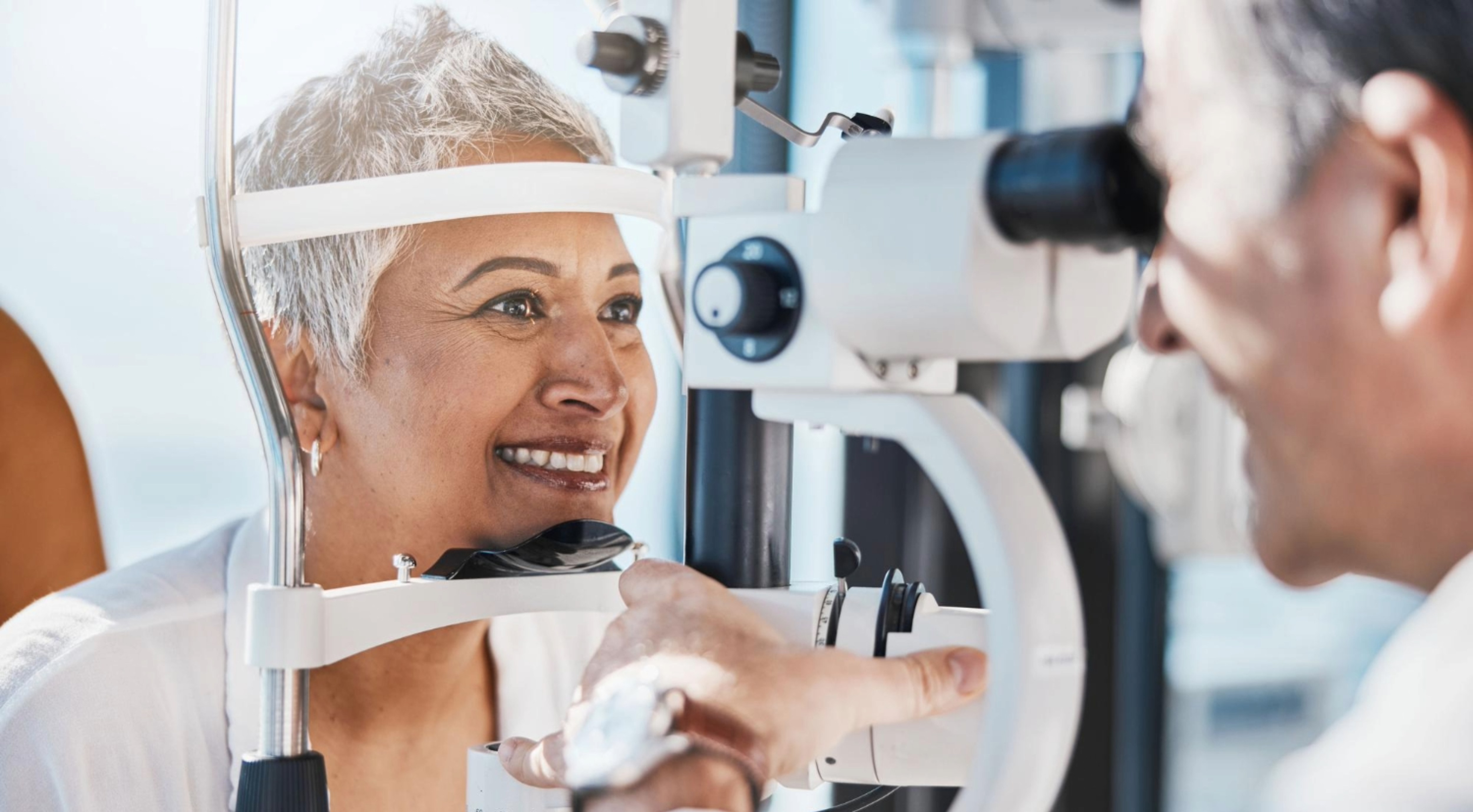
This comprehensive guide will help you make an informed decision. We'll explore the key factors that distinguish exceptional eye care from the ordinary, ensuring you receive the quality vision care you deserve.
Quick Summary
- Optometrists, ophthalmologists, and opticians each serve different roles — for most people, an optometrist handles everything from annual exams to disease management.
- The best eye care practices combine advanced diagnostic technology, experienced doctors, and a welcoming patient experience.
- Key factors to evaluate include credentials, equipment, range of services, location, and insurance compatibility.
- Building a long-term relationship with one eye doctor leads to better, more personalized care over time.
- Asheville Vision and Wellness offers comprehensive eye care for patients of all ages in western North Carolina.
The Different Types of Eye Care Professionals
Before beginning your search, it's important to understand the different types of eye care professionals and what services they provide. Optometrists are doctors of optometry (O.D.) who provide comprehensive eye care, examining eyes for vision problems and diseases, prescribing corrective lenses, and diagnosing and treating many eye conditions. Ophthalmologists are medical doctors who specialize in eye care and can perform surgery. Opticians fill prescriptions for eyeglasses and contact lenses but don't perform exams.
For most people, an optometrist will be your go-to eye care professional for annual exams, contact lens fittings, and management of common eye conditions.
Key Factors to Consider When Choosing an Eye Doctor
Credentials and Experience
Look for eye doctors who are licensed in your state and have completed their education at accredited institutions. Membership in professional organizations like the American Optometric Association demonstrates a commitment to staying current with the latest developments in eye care. Experience matters significantly — seasoned doctors have encountered a wide variety of cases and developed expertise in diagnosing and treating diverse conditions.
Technology and Equipment
Modern eye care relies heavily on advanced diagnostic technology. The equipment an eye doctor uses makes a significant difference in detecting eye diseases early and monitoring changes over time. Look for practices that invest in tools like digital retinal imaging, Optical Coherence Tomography (OCT) for detailed retinal views, visual field testing, and newer technologies like the Rabin Cone Contrast Test (RCCT), which can detect disease-related changes in patients with glaucoma, diabetes, and macular degeneration earlier than many conventional tests.
Practices that regularly update their equipment demonstrate a commitment to providing the highest standard of care. You can learn more about the advanced eye care technology at Asheville Vision and Wellness to see what this looks like in practice.
Range of Services Offered
A comprehensive eye care practice should offer complete eye examinations for all ages, contact lens fittings, treatment for eye diseases, management of conditions like dry eye and diabetic eye disease, and pre- and post-operative care for procedures like LASIK. Having access to a wide range of services under one roof saves time and ensures continuity of care, as your eye doctor will have a complete understanding of your eye health history.
Office Location and Accessibility
Consider the office location in relation to your home or workplace. Is it conveniently located with adequate parking? Do the office hours accommodate your schedule? Does the practice offer online appointment scheduling, and how easy is it to reach someone by phone with questions? These practical factors contribute significantly to your overall experience and ability to maintain consistent eye care.
Insurance and Payment Options
Before scheduling your first appointment, verify that the practice accepts your vision insurance plan. If you don't have vision insurance, ask about payment options and flexible payment plans. Some practices participate in flexible spending account (FSA) and health savings account (HSA) programs, helping you maximize your vision care benefits and avoid unexpected financial surprises. Asheville Vision and Wellness works with most major vision plans — visit our insurance information page for details.
Evaluating the Patient Experience
Office Environment and Staff
The moment you walk into an eye doctor's office, you should feel welcomed and comfortable. A clean, well-organized practice with friendly, professional staff sets the tone for quality care. Pay attention to how staff members interact with patients and whether they take time to answer questions thoroughly. These details reflect the practice's attention to patient comfort and overall quality standards.
Communication Style
Your eye doctor should take time to listen to your concerns, explain findings clearly, and answer questions without making you feel rushed. Look for a doctor who explains things in terms you can understand, discusses what they're doing during your exam, and helps you make informed decisions about treatment or eyewear based on your lifestyle and budget.
Appointment Availability and Wait Times
While occasional delays are normal, consistently long waits may indicate scheduling problems. Ask about typical wait times and appointment availability. Can you schedule routine exams within a reasonable timeframe, and does the practice accommodate urgent concerns when needed?
Online Reviews and Reputation
Online reviews provide valuable insights into patient experiences. Read reviews on multiple platforms, paying attention to recurring themes about doctor expertise, staff friendliness, office cleanliness, wait times, and billing practices. Remember that a few negative reviews among many positive ones is normal — focus on the overall pattern and how the practice responds to concerns. You can also read testimonials from Asheville Vision and Wellness patients to get a sense of what care here looks like firsthand.
Special Considerations for Your Eye Care Needs
Pediatric Eye Care
If choosing an eye doctor for your child, ensure they have experience with pediatric patients. Children require different examination techniques and age-appropriate equipment. A good pediatric eye care provider makes the experience comfortable for young patients, offers early vision screenings, treats common childhood vision problems, and provides guidance on sports vision and eye protection.
Senior Eye Care
As we age, conditions like cataracts, glaucoma, and age-related macular degeneration become more common. Look for expertise in age-related eye conditions and advanced diagnostic equipment that can detect early signs of disease. The right eye doctor will monitor and manage these concerns while coordinating with your other healthcare providers when necessary.
Medical Eye Conditions
If you have diabetes, high blood pressure, or other systemic health conditions affecting your eyes, you need a doctor experienced in managing medical eye conditions. These require more frequent monitoring and comprehensive care that considers all aspects of your well-being, including conditions like diabetic retinopathy and dry eye disease.
Making Your Decision
Once you've narrowed your options, consider scheduling consultation visits to meet the doctor, tour the facility, and ask questions. Pay attention to how the doctor and staff make you feel — do they listen carefully and seem genuinely interested in helping you?
Ask important questions about the doctor's experience with conditions like yours, the technology they use, their approach to preventive care, and how they handle emergencies. The best eye doctor for you will excel across multiple areas, combining expertise, technology, communication style, convenience, and patient care philosophy. Trust your instincts.
Building a Long-Term Relationship
Choosing an eye doctor establishes a long-term relationship. When you see the same eye doctor regularly, they develop a comprehensive understanding of your eye health history and can track subtle changes over time. As your doctor gets to know you, they tailor recommendations to your specific lifestyle and needs, remembering your preferences and anticipating concerns. A long-term relationship emphasizes prevention rather than just treatment, with regular examinations catching problems early when they're most treatable.
Frequently Asked Questions
How often should I see an eye doctor?
Most adults should have a comprehensive eye examination every one to two years, depending on age and risk factors. Children should have their first eye exam around age one, followed by additional exams before starting school and regularly throughout childhood. Adults over 60, people with diabetes, and those with a family history of eye disease may need more frequent visits. Your eye doctor can recommend an appropriate schedule based on your individual needs.
What's the difference between a vision screening and a comprehensive eye exam?
A vision screening is a brief check that identifies obvious vision problems, often conducted at schools or during routine physical exams. A comprehensive eye examination is much more thorough, including tests for eye diseases, evaluation of eye coordination and health, and precise determination of prescription needs. Only a comprehensive exam performed by an eye doctor can fully assess your vision and eye health.
Does insurance cover eye exams and glasses?
Many health insurance plans include some vision coverage, though the extent varies significantly. Some plans cover routine eye exams but not eyewear, while others may cover both with limitations. Vision-specific insurance plans typically offer more comprehensive coverage for both examinations and eyewear. Contact your insurance provider or ask the eye doctor's office to verify your specific coverage before your appointment.
Can I bring my own frames for new lenses?
Many eye care practices can put new lenses in your existing frames, provided the frames are in good condition and appropriate for your prescription. Not all frames work for all prescriptions, particularly strong prescriptions that require thicker lenses. Bring your frames when you visit, and the optician can assess whether they're suitable for reuse.
What should I do if I'm not satisfied with my eye doctor?
If you're unhappy with any aspect of your eye care, first try discussing your concerns directly with the practice. Many issues can be resolved through open communication. If you remain unsatisfied or feel your concerns aren't addressed adequately, it's perfectly acceptable to seek care elsewhere. You can request that your records be transferred to your new eye doctor.
Conclusion
Choosing the best eye doctor is a personal decision that affects your vision health for years to come. By considering credentials, technology, services offered, patient experience, and your specific needs, you can make an informed choice. The right eye doctor combines clinical expertise with genuine concern for your well-being, creating a partnership focused on preserving and protecting your sight.
Take time to research your options, ask questions, and trust your instincts. Your eyes deserve exceptional care from a professional who values your vision as much as you do.
Ready to experience comprehensive, compassionate eye care in western North Carolina? Schedule your appointment online or visit our contact page to learn more about Asheville Vision and Wellness.